 Md musleuddin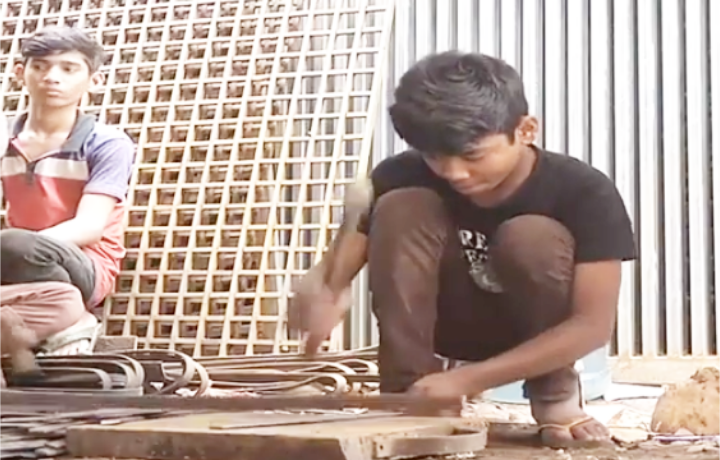

child labor is a serious and common problem in Bangladesh, and it’s rooted in a mix of economic and social realities.
Here’s a clear picture of why it happens and what it looks like:
Why child labor is common
Poverty: Many families depend on children’s income just to survive.
Lack of access to education: School costs, distance, or poor quality push kids into work.
Informal economy: Sectors like agriculture, domestic work, brick kilns, and small workshops are loosely regulated.
Social norms: In some communities, child work is seen as “normal” or necessary.
Migration & disasters: Floods, cyclones, and urban migration increase vulnerability.
Where children often work
Garment subcontracting & factories
Agriculture & fishing
Domestic work (often hidden and risky)
Brick kilns & construction
Street work (selling, scavenging, transport helpers)
The hard truth
Many children work long hours, earn very little, and face health risks, abuse, and loss of education—which keeps the poverty cycle going.
The hopeful side
Bangladesh has laws banning hazardous child labor.
NGOs, community schools, and international pressure have reduced child labor in some sectors.
When families get financial support and education access, child labor drops fast.